
In the age of algorithmic commerce, specialty retail is often treated like a dying breed. We are told that "convenience is king" and that if we aren’t matching the digital footprints of global giants, we are already obsolete.
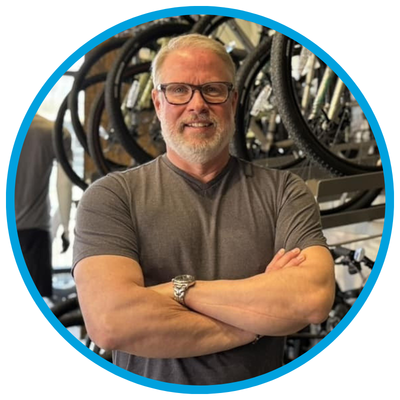
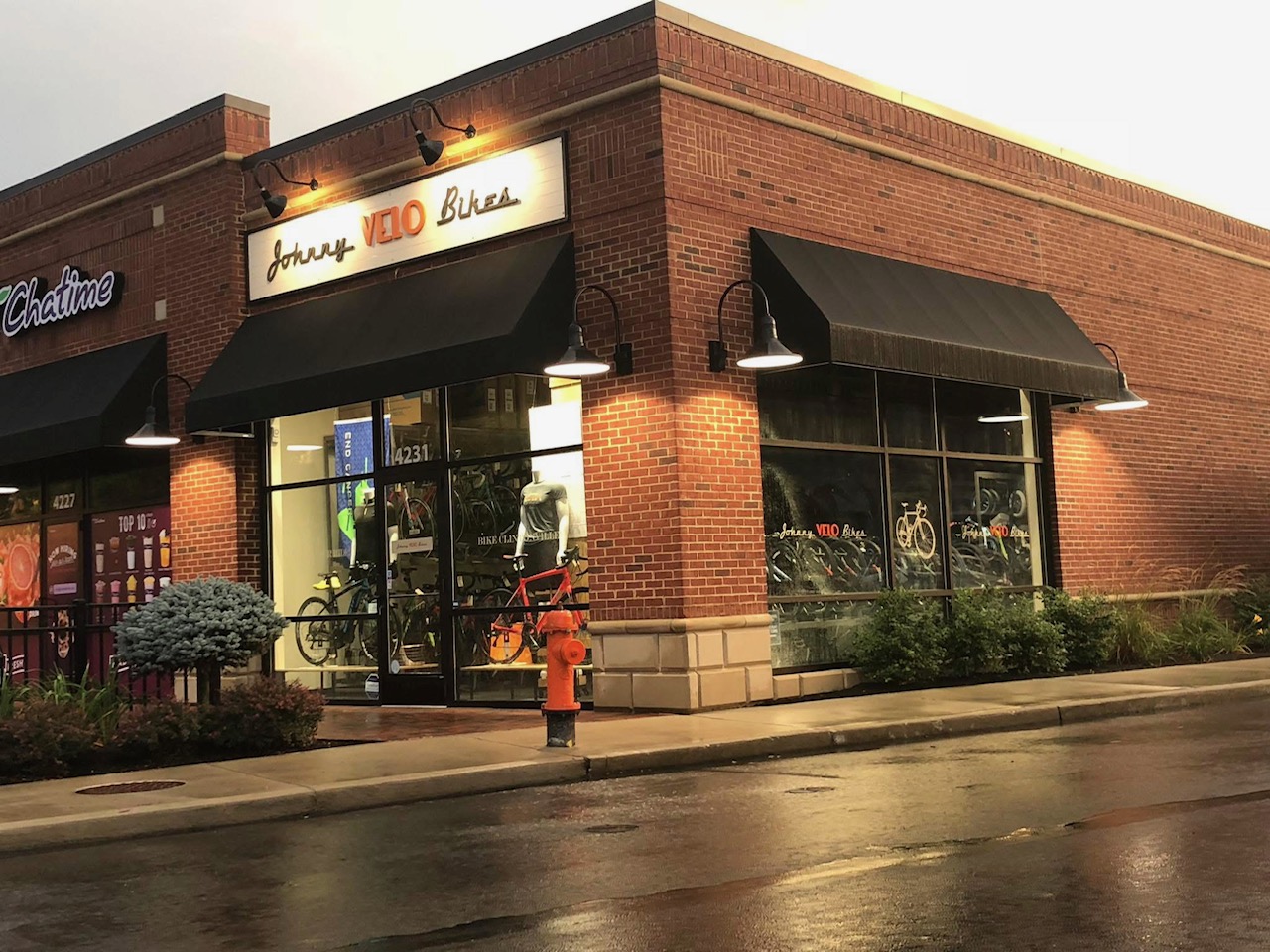
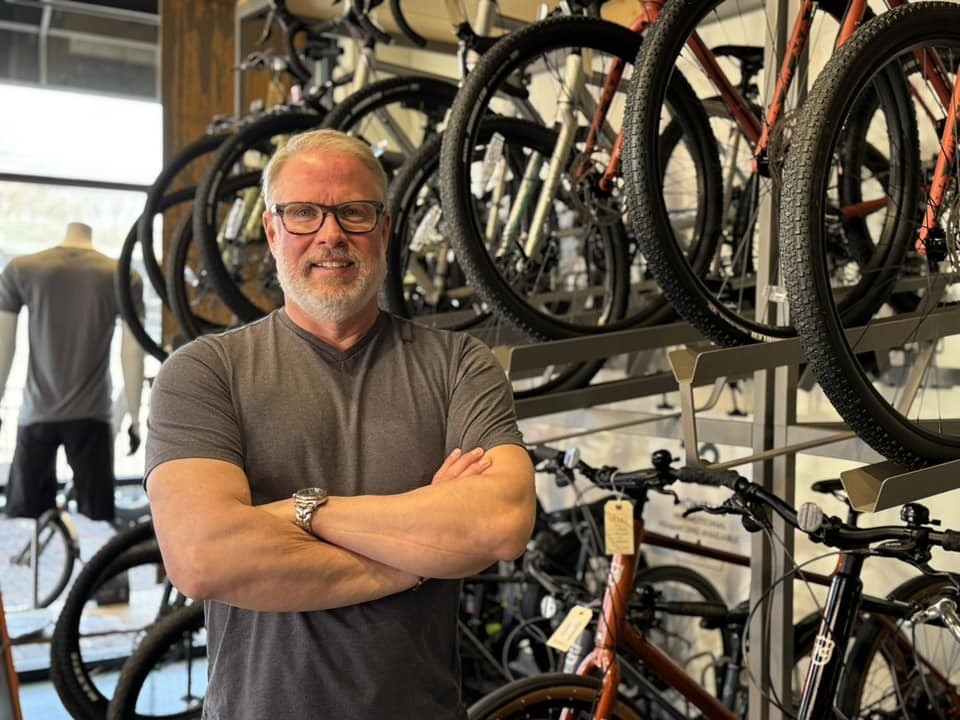
Then there is John, the owner of Johnny Velo Bikes in Central Ohio. After 30 years in the high-stakes world of financial technology and software sales, John was the definition of corporate burnout. He was an American Airlines "Road Warrior," traveling 75% of the time and feeling the industry contract around him.
He didn't just open a shop as a retirement hobby; he built a fortress of local commerce based on a lifetime of passion and one very specific, very bad day at a competitor’s bike shop. Last year, his business saw a 41% increase in sales—precisely by doing the opposite of what many "experts" advise.For specialty retail owners, John’s story is a strategic roadmap for thriving in the "Amazon-ification" of the world.
1. Stop Selling Features, Start Selling Stories
Many specialty retailers fall into the trap of using technical expertise as a barrier. They hire "gearheads" who speak in technical riddles, inadvertently making the average customer feel small. John realized early on that technical knowledge is worthless if it isn't used to build a narrative for the customer.
This philosophy was born from his own "villain origin story". When John bought his first road bike, the shop didn't explain the shifters; when he returned because he couldn't get the bike to shift, the salesperson rolled his eyes and talked down to him.
"That always stuck with me," John says. "When I opened my bike shop, there were three other bike shops within a mile of me. Within a year and a half, two of those went out of business."
John’s team doesn't lead with gear ratios or carbon fiber weaves. Instead, they lead with the customer's "why". Whether it’s a parent wanting to ride with their kids or a neighbor worried about the cobblestone streets in their local village, John sells the experience of the ride, not the specs of the frame.
"I'd much rather talk about the benefits of getting on a bike than talk about the features of the bike... put them on the bike and in their mind when you’re talking to them. ...Creating a story for them, to me, is more important than talking features.”
In specialty retail, your job isn't to be the smartest person in the room; it’s to be the most helpful. By focusing on the benefits—getting into shape, spending time with family, or feeling the wind on a summer day—rather than the features, you bridge the gap between a product and a lifestyle. You’re not just selling a product; you're selling the story a customer will experience as a result of buying it.
2. The "Digital Divorce": Reclaiming the Customer Experience
Perhaps John’s most extreme move was turning off e-commerce on his website. In a world obsessed with "omnichannel," this sounds like suicide. But John recognized that his website was providing a subpar experience compared to the one-on-one personalized experience he provides in his shop.While most businesses were retreating during the 2008-2009 recession, Paul was scaling up. He didn't do this through reckless gambling, but through a "calculated risk" focused on real estate and fixed costs.
"I actually turned off e-commerce on my website because it was providing a bad experience to the customer... and I was dealing with more fraud and headache than I wanted to deal with. I want that person coming into my shop more than anything."
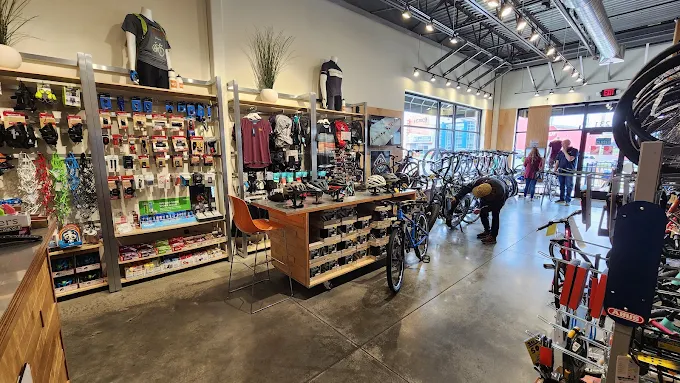
By removing the digital checkout, he stopped competing with the internet on its terms—price and speed—and started competing on his own: service, community, and the physical "fit" of the bike. He stopped being a warehouse and started being a destination.
Some may say you can’t grow without e-commerce, but John is proving that narrative wrong; since he’s shifted to solely in-store purchasing, his shop has still increased sales year-over-year by double digits.
3. Strategic Leverage: Standing Up to "Goliath."
Most small shop owners feel like they are at the mercy of their manufacturers. They accept shrinking margins and direct-to-consumer (DTC) competition as an unavoidable reality. John proves that even a single-location shop has a seat at the table if they understand their own value and are transparent with the manufacturers they work with.
When a manufacturer’s direct-to-consumer discounts threatened his margins, he didn't just complain; he called them up, explained exactly how this promotion was negatively impacting his business, and, being the only local dealer for their brand, he gave an ultimatum.
"I told them, 'Without margin protection, I’m not going to continue doing business with you.' They cut me a check for what I lost, and they put into their contract to give me margin protection... all because I asked."
Manufacturers need healthy local dealers to act as the "face" of the brand and provide the hands-on service they cannot fulfill from a warehouse. John’s success proves that if you are firm about your value and transparent about your needs, you create a collaborative environment with your manufacturers rather than seeing them only as direct competitors.
4. The "Sponge" Mindset: From Fintech to Spokes
John’s transition from a "Road Warrior" in fintech to a successful bike shop owner was fueled by a refusal to stay stagnant. He entered the industry as a "sponge," leaning on industry groups like the National Bike Dealers Association (NBDA) and retail-focused literature to build his foundation.Paul views community involvement and brand partnerships as a shared investment. He operates on the "high tide raises all boats" theory: if the community and local clubs thrive, the shop thrives.
"Be a sponge and don’t be afraid to ask questions. You should always be learning... I learned a heck of a lot more through the NBDA than I thought I knew."
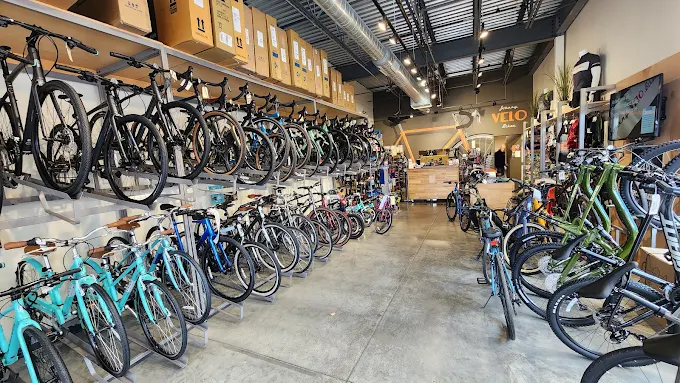
He utilizes a "shallow and wide" inventory strategy, ensuring he has exactly what the customer needs without being buried under the weight of massive preseason orders that drain cash flow. This agility allows him to pivot when the market shifts—something the big-box retailers simply cannot do as easily.
Summary
Specialty retail isn't dying; it’s being refined. The shops that survive will be those that, like Johnny Velo Bikes, recognize that their "moat" isn't their tech stack or their floor space. It is the ability to look a customer in the eye—someone who might be as confused as John was on his first day with a road bike—and provide the human hand-holding that brings in customers from all levels of experience. This is something an algorithm will never replicate, and it is why specialty shops like Johnny Velo Bikes provide a truly special experience for every customer.
Want to easily apply John's lessons for specialty retailers to your business?
Sign up for free

